The traditional dream of owning a large, stick-built suburban home is rapidly shifting from a milestone of success into a financial burden. Across the country, housing costs consume an unprecedented percentage of the average household income, leaving little room for savings, investments, or retirement planning. Real financial freedom in the modern era requires looking beyond conventional options and embracing alternative housing.
Transitioning to prefabricated structures, manufactured homes, or mobile living spaces represents a powerful strategy for building wealth. By drastically lowering your structural footprint, you can slash your mortgage payments, minimize your property taxes, and significantly reduce your monthly utility expenses. However, achieving true affordability in this space requires more than just making a cheap initial purchase. It demands a deliberate, long-term financial roadmap covering everything from site preparation and climate optimization to structural protection and space-efficient renovations. This comprehensive guide details how to navigate the financial landscape of alternative housing so your home remains a wealth-building asset rather than a cash drain.
1. Evaluating the Upfront Savings of Factory-Built Structures
When seeking to minimize housing costs, the method of construction plays a critical role in your initial investment. Traditional on-site construction is notorious for unpredictable expenses, often driven by local material shortages, scheduling conflicts among subcontractors, and unexpected weather delays that leave timber exposed to the elements. These complications can quickly inflate a construction budget by twenty to thirty percent.
Factory-built housing eliminates these variable costs by moving the entire fabrication process into a highly controlled, indoor environment. In a manufacturing facility, building materials are purchased in massive bulk quantities, lowering the base cost of production. Furthermore, assembly lines operate on precise schedules, meaning labor costs are entirely predictable and weather delays are completely non-existent. For budget-conscious buyers, investing in custom modular homes offers an exceptional balance between personalized design and rigorous cost control. Because these structures are engineered to meet the exact same local building codes as traditional homes, they retain their long-term asset value remarkably well, especially when permanently affixed to a privately owned parcel of land.
2. Maximizing Value When Revitalizing Pre-Owned Properties
For those seeking the absolute lowest entry price into homeownership, the secondary market for manufactured housing is an outstanding resource. Purchasing an existing structure—whether located in an established community or situated on rural acreage—allows you to bypass the inflation associated with purchasing brand-new construction materials. However, older units frequently require cosmetic updates, layout corrections, or insulation enhancements to bring them up to modern energy standards.
The financial key to a successful renovation is avoiding the temptation to hire standard residential general contractors, who often lack familiarity with the unique framing, plumbing, and electrical configurations of factory-built chassis. Instead, collaborating with a dedicated mobile home remodeler ensures that your renovation budget is used efficiently. These specialized professionals understand how to source light-weight, compatible materials and navigate HUD enforcement guidelines, preventing costly structural errors or code violations. Prioritizing high-impact upgrades, such as subfloor reinforcement and modern wall paneling, will dramatically increase your daily quality of life while preserving your equity for a future resale.
3. Navigating the Costs of Private Utility Development
Relocating to affordable rural land is a classic strategy for escaping high municipal property taxes and urban zoning restrictions. However, raw land does not come equipped with municipal infrastructure, meaning you must act as your own utility provider. Developing a piece of land requires a substantial upfront capital allocation for water access, electrical hookups, and waste management.
Before placing any structure on a rural plot, you must conduct comprehensive soil percolation tests to determine how your land handles wastewater. Setting up private infrastructure requires a clear financial plan for hiring professional septic services to handle engineering, permitting, and excavation. Skimping on this stage or hiring unverified laborers can result in system backups, environmental contamination fines, or complete system failures that cost tens of thousands of dollars to fix. Beyond the initial installation, you must build a dedicated emergency fund to cover routine tank pumping and filter inspections every three to five years, ensuring your off-grid waste system operates seamlessly without draining your monthly savings.
4. Optimizing Climate Control to Reduce Monthly Overhead
One of the greatest financial benefits of downsized alternative housing is the reduction in volume that needs to be heated and cooled. A smaller physical footprint naturally translates to lower energy demands, but only if the climate control system is properly engineered for the structure. Installing an oversized or poorly configured HVAC system will lead to short-cycling, which wears out mechanical components rapidly and spikes your electric bills.
When planning your energy budget, look into modern, zoned climate systems such as ductless mini-splits. Investing in a professional ac installation ensures that your cooling equipment is precisely calibrated to the square footage and insulation ratings of your alternative home. Properly sized units run on variable-speed compressors that consume a fraction of the electricity used by older, traditional central air units. By combining an efficient installation with smart programmable thermostats, you can keep your monthly utility overhead down to double digits, even during the peak heat of the summer months.
5. Managing Routine Maintenance and Vetting Exterior Labor
The structural envelope of your alternative home is your primary defense against depreciation. Water intrusion is the single greatest threat to any manufactured or prefabricated building, as moisture can quickly compromise lightweight wall cavities, ruin insulation, and rot flooring systems. To protect your investment, you must approach exterior maintenance with the same financial discipline you would use for a traditional asset.
When dealing with roof maintenance or leak prevention, avoid the temptation to cut costs via unvetted, freelance handymen. Hiring an experienced, licensed local roofer guarantees that your structural repairs are backed by a legitimate labor warranty and compliant with local building codes. A qualified professional will understand how to inspect the specialized flashing, sealing, and roof-to-wall junctions unique to alternative properties. Establishing a relationship with a trusted local professional allows you to schedule affordable, preventative inspections every couple of years, catching minor seal degradations before they evolve into catastrophic, budget-busting insurance claims.
6. Investing in High-Durability Materials for Lifelong Savings
While routine maintenance keeps a home stable, long-term wealth building relies on minimizing recurring expenses. Every time you have to replace a component of your home’s exterior, you lose money that could have been compounding in a savings or investment account. Therefore, when a major structural component reaches the end of its natural lifespan, you should analyze the lifecycle cost of your replacement options rather than simply choosing the cheapest upfront material.
For example, standard asphalt shingles are highly susceptible to wind damage, mold growth, and rapid thermal degradation, often requiring complete replacement every fifteen years. Upgrading your property by hiring a professional metal roofer can completely eliminate this recurring expense from your lifetime budget. Metal roofs regularly last between forty and seventy years, offer superior resistance to heavy snow loads and high winds, and reflect solar radiant heat to lower your cooling costs. Additionally, many insurance providers offer premium discounts for homes with metal roofs, creating instant monthly savings that help offset the initial cost of installation.
7. Budgeting for the Unique Logistics of Mobile Living
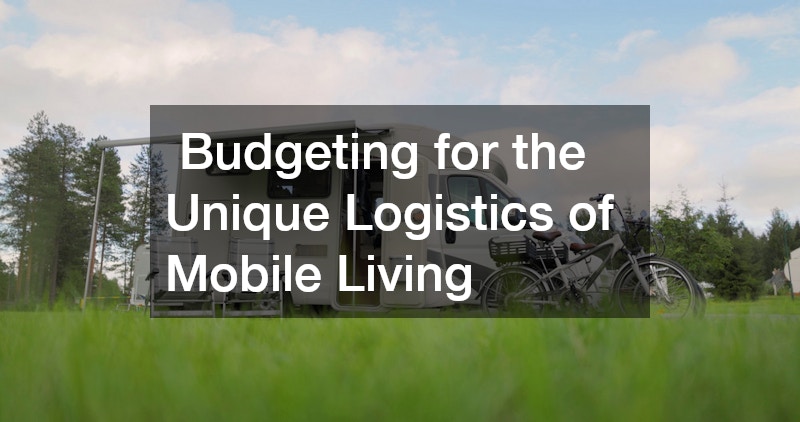
Choosing to live full-time in a recreational vehicle or a fifth-wheel trailer represents the ultimate expression of affordable, nomadic living. This lifestyle eliminates property taxes entirely and gives you the flexibility to follow seasonal job markets or lower-cost regions. However, a house on wheels is subjected to constant mechanical stress, as vibrations from highway travel simulate a minor earthquake every time the vehicle is in motion.
To maintain this lifestyle cost-effectively, you cannot treat your mobile home like a stationary building. You must budget heavily for specialized mechanical upkeep and keep a dedicated line item for a trusted rv repair service. Roof seals, slide-out mechanisms, braking systems, and onboard generators require specialized technical knowledge that goes far beyond standard automotive care. Attempting to delay these technical inspections can leave you stranded on the side of the highway, facing astronomical emergency towing charges and premium mobile mechanic labor fees that can instantly derail your financial progress.
8. Handling Property Transitions Safely Without Wasting Money
Transitioning from a traditional household to an alternative housing setup invariably requires a radical reduction in your personal belongings. Trying to cram a lifetime of furniture, appliances, and personal items into a downsized space leads to cluttered living conditions that detract from the mental benefits of simple living. However, rushing to liquidate all your assets in a yard sale can also be a financial mistake if you end up needing to repurchase those items at retail prices later.
During the initial months of your housing transition, utilizing local storage facilities is a smart, temporary strategy to safeguard your assets while you adjust to your new layout. Renting a secure, climate-controlled unit allows you to sort through your possessions methodically, selling high-value items at their true market worth rather than accepting lowball offers out of desperation. The financial key is to treat storage as a short-term logistical tool with a strict expiration date, rather than allowing a monthly unit fee to become a permanent, wealth-draining habit.
9. Finding Specialized Financial Protection Against Disasters
No matter how affordable or downsized your living arrangement is, failing to protect your asset against catastrophic loss is a major financial risk. Traditional homeowners insurance policies are explicitly designed for standard, site-built structures and will not cover the unique risk profiles of modular units, manufactured homes, or mobile trailers. If you attempt to use a standard policy for an alternative structure, you risk having your claims flatly denied in the event of severe weather or fire.
Protecting your alternative lifestyle requires shopping around for specialized insurance companies that possess dedicated underwriting divisions for manufactured and mobile properties. These specialized providers understand how to value your home accurately, accounting for specific risks like wind tie-down requirements or chassis transportation hazards. When negotiating your policy, maximize your premium savings by asking about discounts for safety features, such as the installation of security systems, smart smoke detectors, or storm shutters, ensuring you get maximum protection for the lowest possible monthly expense.
10. Prioritizing Interior Upgrades for Daily Functionality
Once your alternative structure is secure, insulated, and fully insured, you can turn your attention to maximizing the utility of your interior living space. In a compact or non-traditional home layout, every square foot must serve a distinct purpose. Standard, store-bought furniture often wastes valuable vertical space and creates awkward layouts that make a small home feel restrictive and uncomfortable.
Because the kitchen is the functional heart of any home, it is the area where custom adjustments yield the highest return on investment. Collaborating with a professional local kitchen remodeling service allows you to design custom cabinetry, built-in storage solutions, and integrated appliances tailored precisely to your unique floor plan. Professional designers who understand small-space ergonomics can transform a cramped kitchen into a highly efficient culinary workspace, eliminating the desire to eat out at expensive restaurants. Investing your renovation cash into high-quality, space-saving kitchen infrastructure directly boosts your daily quality of life while significantly increasing the market appeal of your home if you ever decide to sell.
Embracing alternative housing is one of the most effective ways to break free from the cycle of high housing costs and accelerate your journey toward financial independence. Whether you choose to invest in a factory-built property, revitalize a pre-owned manufactured home, or adopt a mobile lifestyle, the savings potential is undeniable. However, long-term affordability is not an accident; it is the result of careful planning, smart material selections, and proactive maintenance strategies.
By treating infrastructure development, structural protection, and interior optimization as interconnected investments, you can prevent unexpected repair bills from eroding your savings. Maintain a disciplined approach to vetting specialized contractors, build robust emergency funds for your unique utility systems, and protect your assets with the right insurance coverage. Ultimately, reducing your housing overhead gives you complete control over your financial future, allowing you to redirect your hard-earned income away from monthly interest payments and toward building genuine, lasting wealth.